 Skip to main content

Can a Home Inspection Detect Mold?
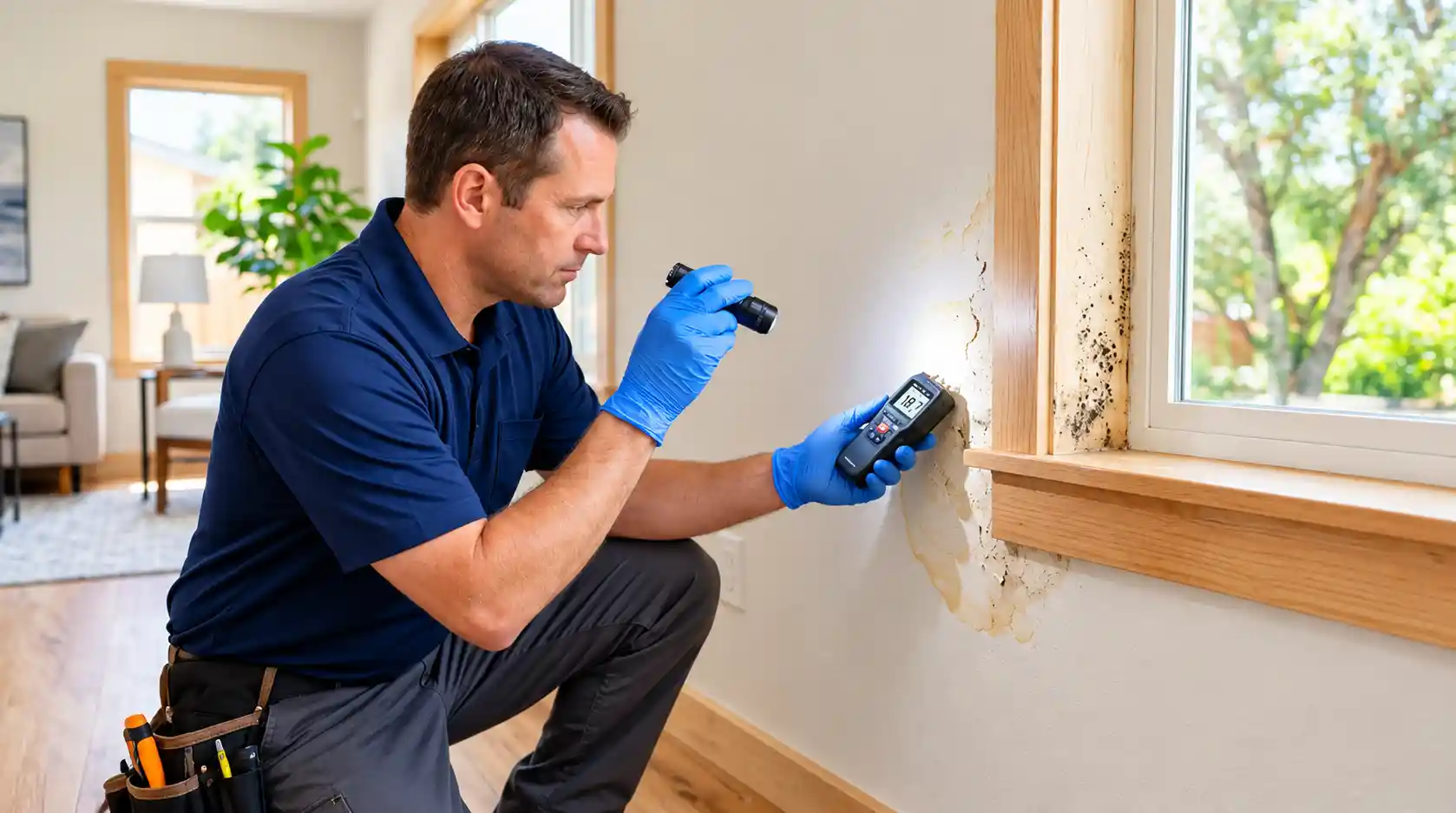
Mold can develop in homes of any age, especially when moisture remains trapped indoors. In Sacramento, seasonal rainfall can increase the risk of damp conditions, making mold a concern for property owners. While some Sacramento homeowners consider scheduling a mold inspection, others wonder whether a regular home inspection can identify such problems.
A home inspection provides valuable information about a property’s condition, but its role in identifying mold is often misunderstood. Understanding what inspectors can assess and when a separate evaluation may be needed can help homeowners make informed decisions.
What Signs of Mold Can Home Inspectors Identify?
During a standard home inspection, inspectors examine accessible areas for conditions that may indicate current or previous moisture problems. Although they cannot confirm every suspected mold issue, they may recognize several warning signs.
- Visible Discoloration: Dark, green, or white patches on walls, ceilings, and other surfaces may indicate mold growth.
- Water Stains: Yellow or brown marks around ceilings, windows, and plumbing fixtures may suggest previous leaks that created favorable conditions for mold.
- Musty Odors: Persistent earthy or damp smells can indicate possible microbial growth, even when the affected area is not immediately visible.
- Moisture Damage: Peeling paint, swollen baseboards, warped flooring, and deteriorating drywall may indicate prolonged exposure to moisture.
Inspectors document relevant observations in their reports, allowing homeowners to investigate suspicious conditions further.
Where Can Mold Go Undetected During a Home Inspection?
A standard home inspection primarily covers visible and accessible components. Therefore, mold growing inside concealed spaces may remain undetected.
For example, moisture can accumulate behind bathroom tiles, underneath carpeting, or inside wall cavities without producing noticeable surface damage. Similarly, restricted access to crawl spaces or attic sections can limit what an inspector can observe.
Furniture, stored belongings, and finished surfaces may also obstruct areas where moisture problems exist. Inspectors generally do not remove drywall, lift installed flooring, or dismantle building materials during routine inspections.
Consequently, a property may receive a general inspection without every concealed mold concern being identified. A separate assessment may be necessary when there is reasonable suspicion of hidden growth.
How Is Professional Mold Testing Different From a Home Inspection?
Professional mold testing involves collecting samples from selected areas of a property to investigate suspected mold concerns. Depending on the situation, Sacramento mold inspectors may recommend surface sampling, indoor air quality sampling, or a combination of both. Each method serves a specific purpose and helps homeowners better understand the conditions in the areas being examined.
Surface Sampling
Surface sampling involves collecting material from an area where mold growth is visible or suspected. The sample is analyzed to identify the types of mold present in the collected material.
This method may be useful when homeowners need additional information about suspicious growth or want to evaluate an area following previous mold removal.
However, surface sampling represents the specific area tested and does not establish the condition of every surface throughout the property.
Indoor Air Quality Sampling
Indoor air quality sampling helps detect airborne mold spores, even when mold growth is not visible. The process involves collecting an indoor air sample from the affected area and an outdoor sample for comparison. The results help determine whether indoor mold spore levels are unusually elevated.
This testing is useful when homeowners notice persistent musty odors, suspect hidden mold, or have experienced previous water intrusion. It may also help determine whether mold removal efforts were effective.
What Happens After Mold Testing Is Completed?
Once laboratory analysis is complete, homeowners receive a report identifying the mold detected in the collected samples. Depending on the testing method, the findings may include mold types, spore concentrations, and comparisons between indoor and outdoor air samples.
These results can help determine whether further investigation or corrective action is necessary. If mold is detected, homeowners can explore the next steps after a positive mold test to better understand how to address the problem.
How Can Sacramento’s Rainy Season Increase Mold Risks?
Sacramento generally experiences its rainy season from November through March. During this period, increased rainfall can expose existing weaknesses in roofing, exterior walls, windows, and property drainage.
Water entering through damaged roofing materials or poorly sealed openings may create damp conditions inside the home. Additionally, inadequate ventilation can allow moisture to remain trapped in bathrooms, crawl spaces, and other enclosed areas.
However, seasonal rainfall does not automatically mean mold will develop. Growth depends on factors such as available moisture, surface conditions, and how long materials remain damp.
Homeowners can reduce moisture problems by repairing leaks promptly, maintaining proper drainage, and ensuring adequate ventilation. These precautions are particularly useful before and during Sacramento’s wetter months.
Conclusion
Addressing mold concerns begins with understanding the property’s condition and choosing the appropriate inspection approach. Timely evaluation can help homeowners make informed decisions and maintain a safer, healthier living environment.
CalPro Inspection Group offers professional mold testing services in Sacramento, CA, including surface sampling and indoor air quality testing. With reliable testing and detailed findings, homeowners can better understand potential mold issues and determine the next steps. Contact the team to schedule a mold inspection for your property.
Frequently Asked Questions
