 Skip to main content

Home Inspection vs. Building Inspection: What’s the Difference?
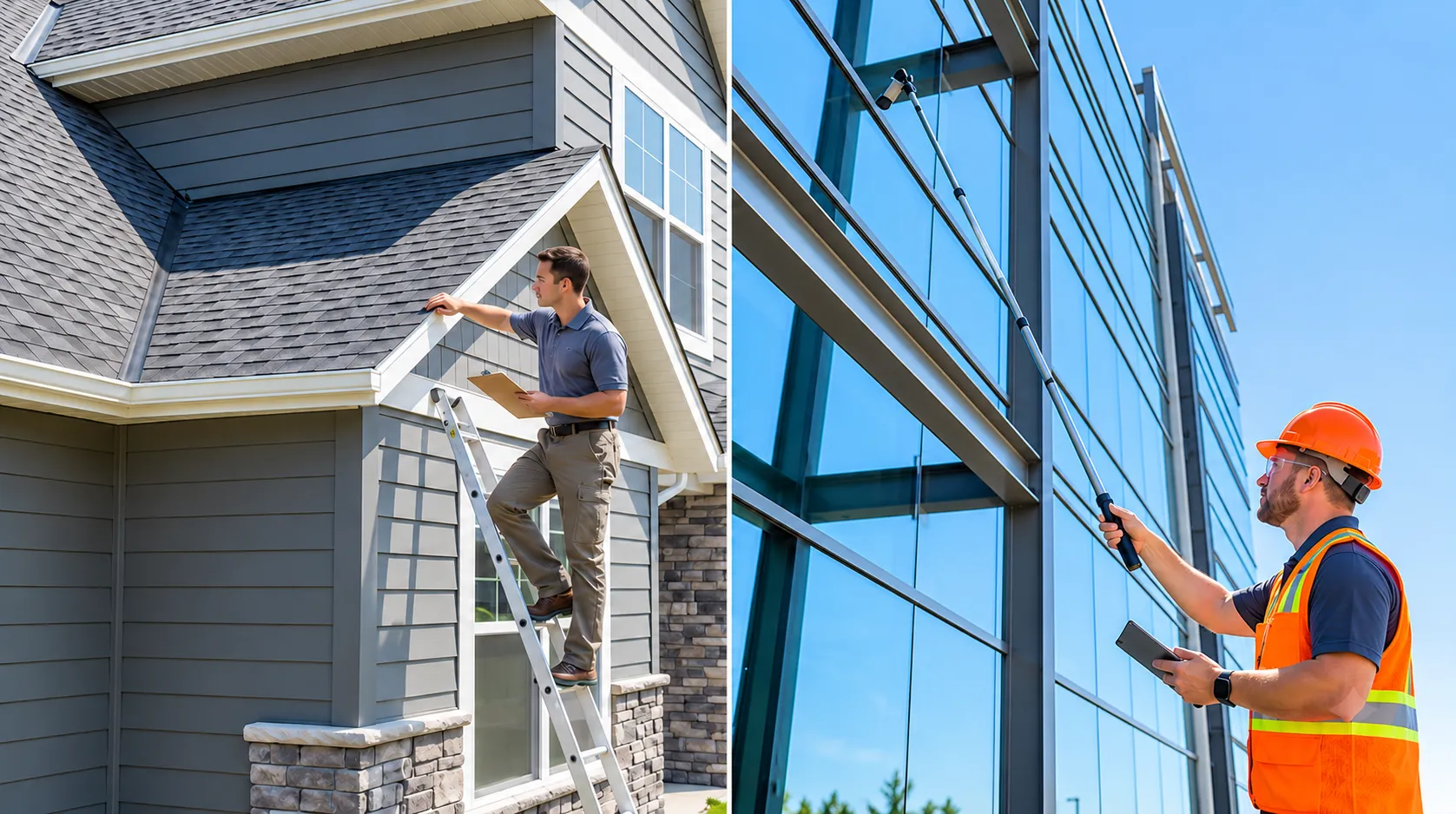
Before buying, selling, or investing in a property, understanding its condition is an important part of the decision-making process. Professional inspections help identify potential defects, safety concerns, and maintenance requirements that may not be visible during a walkthrough.
However, home inspections and building inspections are not always the same. Although both involve evaluating a property’s condition, their scope, purpose, and requirements can differ depending on the property type. Understanding these differences can help you determine which inspection is appropriate for your situation.
What Is a Home Inspection?
A home inspection is a professional, noninvasive evaluation of a residential property’s condition. It is commonly conducted when buying or selling a home to identify visible defects, safety concerns, and maintenance needs.
The inspection helps buyers and homeowners understand the property’s condition. After the assessment, the inspector provides a report documenting findings and recommendations for repairs or further evaluation.
If you’re purchasing a residential property, scheduling a home inspection in Sacramento, CA can help you understand its condition before completing the transaction.
What Is a Building Inspection?
A Building Inspection evaluates a property’s physical condition, structural components, and major systems. For commercial properties, this evaluation is commonly known as a Property Condition Assessment (PCA).
These assessments help buyers, investors, and property managers identify maintenance needs, potential repair costs, and property-related concerns.
Commercial building inspections support property purchases, investment evaluations, and maintenance planning by providing information about the building’s overall condition.
Key Differences Between Home and Building Inspections
Although both inspection types assess property conditions, several important distinctions influence when and why they are performed.
1. Property Type
Home inspections primarily focus on residential properties, including single-family homes, townhouses, and certain small multi-unit dwellings.
Commercial building assessments are designed for properties such as office buildings, warehouses, retail spaces, and apartment complexes.
The inspection approach depends on the property’s intended use, as residential and commercial buildings have different systems and maintenance requirements.
2. Inspection Purpose
A home inspection helps buyers and homeowners understand the property’s visible condition, including defects that may require repairs.
A commercial building assessment generally supports investment decisions, property management, and long-term maintenance planning. It helps evaluate the property’s condition and identify potential maintenance expenses.
While residential inspections primarily support homebuyers and homeowners, commercial assessments also help investors and property managers evaluate property-related considerations.
3. Scope of Evaluation
Residential inspections typically examine household systems and accessible living spaces.
Commercial assessments may require additional consideration of larger mechanical equipment, shared building systems, specialized facilities, and capital repair planning.
The precise scope should always be confirmed before scheduling to ensure the assessment covers the property’s relevant systems and components.
4. Reporting and Documentation
Home inspection reports generally include photographs, observed defects, and recommendations for repairs or further evaluation.
Commercial property condition reports may also include estimated repair costs, deferred maintenance findings, and information supporting financial planning.
While both reports document inspection findings, commercial assessments may provide additional information to support property maintenance and investment planning.
5. Inspection Requirements
Residential and commercial property assessments are commonly arranged voluntarily by buyers, sellers, or owners.
Commercial property assessments may also be requested by lenders or investors as part of the property financing or acquisition process.
The specific inspection requirements depend on the property type, transaction, and intended use of the inspection findings.
Which Inspection Should You Choose?
The appropriate inspection depends on the property type and your reason for requesting an evaluation.
If you’re buying or selling a house, a residential home inspection is generally suitable. For offices, warehouses, or other commercial properties, a commercial property condition assessment is a better option.
For new construction, independent phase inspections can help identify workmanship concerns during different construction stages. Choosing the right inspection helps you understand property conditions and plan the next steps.
Conclusion
Home and building inspections serve different purposes depending on the property type and inspection requirements. Understanding these differences can help buyers, sellers, and investors select a suitable inspection service and better understand the property’s condition and maintenance needs.
At CalPro Inspection Group, we provide professional residential home inspections and commercial property condition assessments to help you better understand your property’s condition. Contact our team today to schedule an inspection tailored to your property needs.
Frequently Asked Questions
