 Skip to main content
How Long Does a House Inspection Take
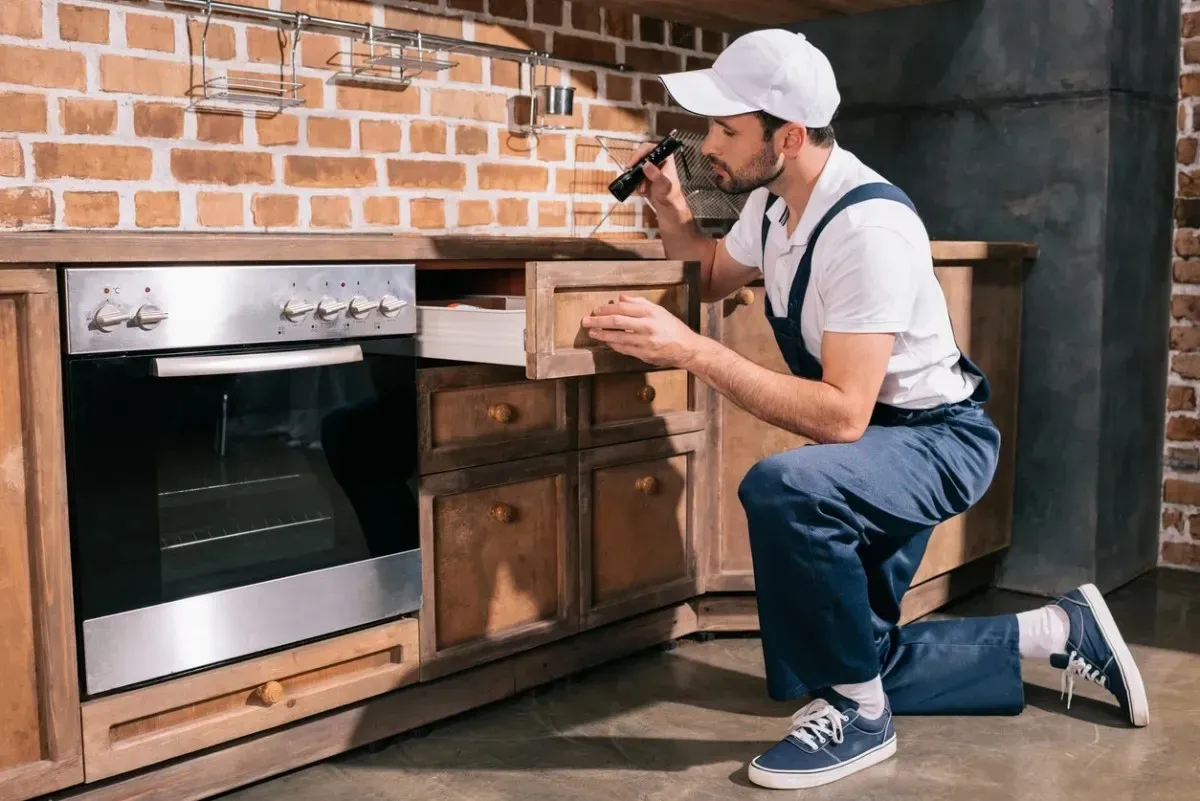
A house inspection usually takes 2 to 4 hours for most homes. The actual time it takes depends on the size, age, and current condition of your property. After the inspector finishes walking through, you’ll receive your detailed report within 24 to 48 hours.
If you’re in the midst of buying a home, knowing what to expect in terms of timing helps you plan your day and avoid any scheduling headaches.
Time Estimates by Home Type
| Property Type | Square Footage | How Long It Takes |
|---|---|---|
| Small Condo/Townhouse | 800–1,200 sq ft | 60–90 minutes |
| Standard Single-Family Home | 1,500–2,500 sq ft | 2–3 hours |
| Bigger Single-Family Home | 2,500–3,500 sq ft | 3–4 hours |
| Large Estate Property | 3,500+ sq ft | 4–6+ hours |
For a regular single-family home around 2,000 square feet, inspectors spend about 2.5 to 3 hours checking everything. Bigger homes take longer; plan on adding about 30 minutes for every extra 500 square feet past 2,000.
What Makes Inspections Take Longer
Size and How the House is Built
More rooms and bathrooms mean more stuff to look at. Basements and attics also add time. A one-story ranch goes faster than a three-story house with the same square footage because there’s just less ground to cover.
How Old Is Your House
Homes built before 1980 usually have older electrical work, aging pipes, and years of wear that need a closer look:
- Built in the last 5 years: Quicker to inspect, not much goes wrong yet
- 5 to 20 years old: Right in the normal time range
- 20 to 40 years old: Tack on 15-30 extra minutes
- Over 40 years old: Add 30–60 minutes for a thorough check
How Well It’s Been Kept Up
A home where the owners stay on top of repairs moves along faster. Houses with obvious problems or those that have been neglected require more time, as the inspector must document everything carefully.
Extra Features Worth Mentioning
| Feature | Extra Time Needed |
|---|---|
| Swimming Pool | 30–45 minutes |
| Separate Garage | 20–30 minutes |
| Finished Basement | 30–45 minutes |
| Guest House | 60–90 minutes |
Homes with two heating systems, multiple water heaters, or complicated electrical setups also take longer. Each extra heating and cooling unit adds 15-20 minutes, and a second water heater needs about 10 more minutes.
Getting to Hard-to-Reach Spots
Attic openings blocked by boxes, crawl spaces full of junk, or electrical panels hidden behind stuff all slow things down. Clear these areas before your inspector shows up, and you’ll save everyone time.
What the Inspector Actually Checks
Inspectors work through the house in order, looking at the big stuff:
Outside the house:
- Roof and what it’s made of
- Gutters and where water drains
- Foundation and how the yard slopes
- Siding and exterior doors
Inside:
- Electrical box and outlets
- Faucets, toilets, and water pressure
- Heating, cooling, and air flow
- Appliances and the water heater
The bones of the house:
- Attic insulation and air circulation
- Basement or crawl space
- Walls, ceilings, and floors
- Windows and stairs
Most inspectors snap photos and type notes on tablets or phones as they go, which all get included in your report later.
What Comes Next
After walking through your place, the inspector returns to compile a comprehensive written report. You’ll receive descriptions of what they found, photos highlighting problem areas, and their assessment of what needs fixing or may require a specialist’s attention.
CalPro Inspection Group typically delivers these reports to clients within one to two days. This report becomes particularly useful when negotiating a price with the seller or determining the necessary maintenance.
Your report breaks down into:
- Quick overview of the big issues
- Room-by-room and system-by-system breakdown
- Photos with notes
- Safety stuff that needs attention soon
- Maintenance tips
Should You Be There?
Yeah, you should go if you can. Seeing problems yourself beats just reading about them later. The inspector can explain things right then and there, and you’ll understand the seriousness of each issue.
Walking through with your inspector also teaches you about how everything works. You’ll find out where to shut off the water in an emergency, what regular maintenance the place requires, and where essential items, such as the electrical panel, are located.
Can’t make the whole thing? At least show up for the last half hour. That’s when most inspectors conduct a wrap-up, highlighting the key points and addressing any questions.
Why This Timing Stuff Matters
Knowing how long inspections take isn’t just about your calendar. It affects your whole home-buying timeline, especially when you’re competing with other buyers and every day counts. If you have tight deadlines written into your contract, knowing that your big old house might require five hours plus two days for paperwork helps you ask for enough time upfront.
Guessing wrong on how long it takes can mean rushing through or having to reschedule, which pushes back your closing date. Buyers who commit to the time are significantly more likely to actually show up, which leads to smarter decisions and fewer “I had no idea about that” moments after moving in.
How long an inspector takes also tells you something about their work. Someone promising to inspect your 3,000-square-foot place in 90 minutes probably isn’t doing a thorough job. Knowing what’s normal helps you spot inspectors who take the time your investment deserves.
