 Skip to main content
Signs You Have Mold in Your Sacramento Home
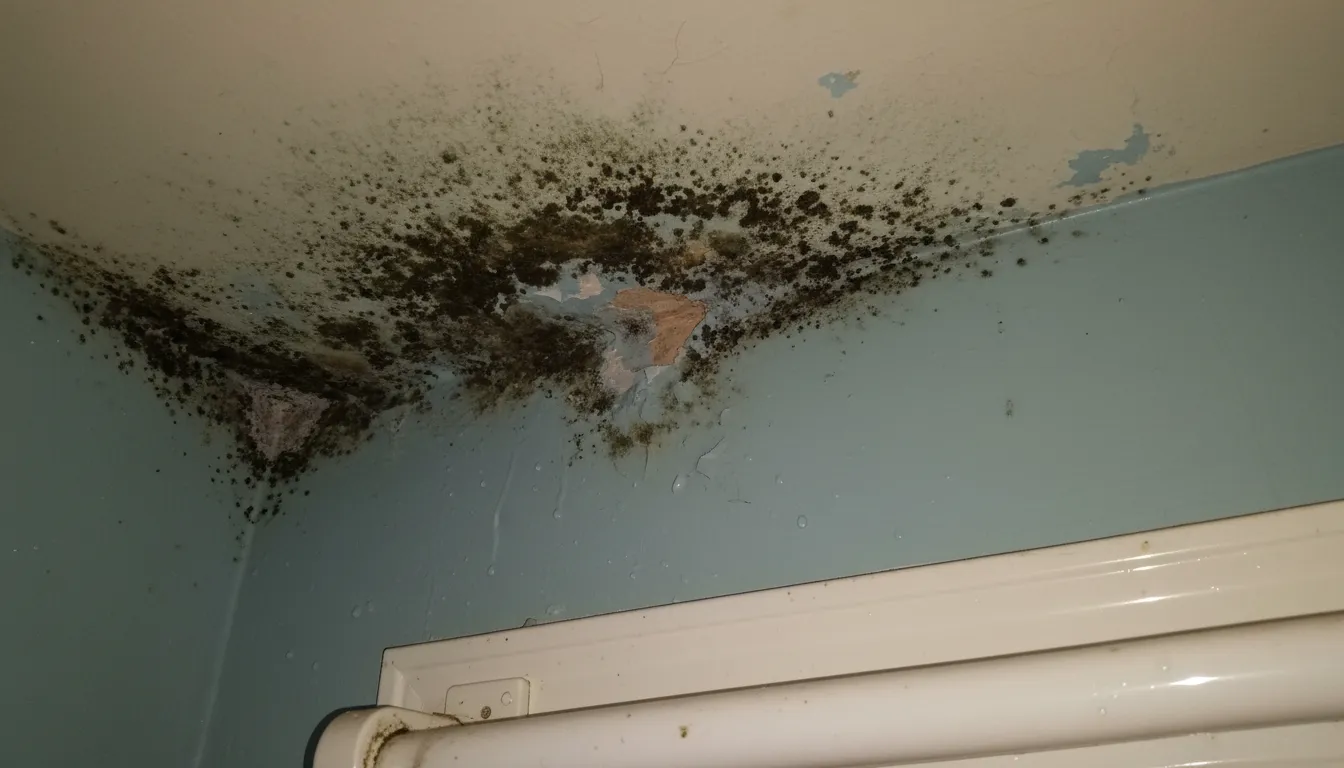
Mold can quietly develop inside a home and spread before it becomes obvious. Many homeowners first discover it only after noticing damage or health symptoms. If you are considering a home mold inspection in Sacramento, CA, understanding the early warning signs can help you act quickly and avoid costly repairs. In a city like Sacramento, where seasonal moisture and older housing structures are common, mold growth is not unusual.
What Causes Mold Growth in Sacramento Homes
Mold thrives in damp and poorly ventilated areas. Sacramento homes can be especially vulnerable due to a combination of environmental and structural factors.
Common causes include:
- Water leaks from roofs, pipes, or appliances
- Poor ventilation in bathrooms and kitchens
- Humidity buildup in enclosed spaces
- Flooding or past water damage
- Crawl spaces and attics with limited airflow
Even small amounts of trapped moisture can lead to mold growth within a short period.
Common Signs You May Have Mold in Your Home
Recognizing the early warning signs of mold can help you address the problem before it leads to serious health risks or costly structural damage.
Persistent Musty Odor
A lingering musty or damp smell is often the first sign of mold, even before it becomes visible. This odor is typically stronger in enclosed areas such as closets, bathrooms, or basements. If the smell persists despite cleaning or ventilation, it may indicate mold growing behind walls, under flooring, or inside air ducts.
Visible Mold Growth
Mold does not always appear as obvious black spots. It can present in various colors, including green, white, or gray, and may look like staining, speckling, or slightly fuzzy patches. It often develops in areas exposed to moisture, such as around windows, ceilings, vents, and plumbing fixtures. Even small patches can signal a larger hidden issue.
Water Stains or Discoloration
Discolored areas on walls or ceilings, especially yellow, brown, or copper-toned stains, are strong indicators of moisture intrusion. These stains often result from roof leaks, plumbing issues, or past water damage. Mold frequently develops in these damp areas, even if the surface appears dry.
Unexplained Health Symptoms Indoors
Mold exposure can affect indoor air quality and may trigger symptoms such as sneezing, nasal congestion, coughing, headaches, or irritated eyes. If these symptoms consistently appear or worsen while inside your home and improve when you leave, mold could be a contributing factor.
Peeling Paint, Bubbling, or Warped Surfaces
When moisture becomes trapped behind walls or under surfaces, it can cause visible structural changes. Paint may begin to peel or bubble, drywall can soften, and wood surfaces may warp or swell. These signs often point to hidden moisture buildup where mold can thrive out of sight.
Excess Humidity or Frequent Condensation
Consistent condensation on windows, pipes, or walls suggests elevated indoor humidity levels. Over time, this creates the perfect environment for mold growth, particularly in poorly ventilated areas. Bathrooms, kitchens, and laundry spaces are especially prone to this issue if moisture is not properly managed.
Dark Spots Around HVAC Vents or Air Registers
If you notice dark or dusty-looking spots forming around air vents, it could indicate mold growth inside your HVAC system. As air circulates, it can spread mold spores throughout the home, making this a sign that should not be ignored.
Increased Allergy Symptoms When Using Air Conditioning or Heating
If symptoms like sneezing, coughing, or throat irritation worsen specifically when your HVAC system is running, mold may be present in ducts or filters. This often points to hidden contamination rather than visible surface mold.
Damp or Earthy Smell in Specific Areas After Rain
If certain rooms or areas start to smell damp only after rainfall or increased humidity, it may indicate moisture intrusion. This is a strong sign that mold could be developing in walls, ceilings, or crawl spaces where water is entering.
If you notice one or more of these signs in your home, it is important to take prompt action and consider a professional inspection to confirm and resolve the issue.
Do You Need a Professional Mold Inspection
While surface mold may be visible in some cases, mold often develops in hidden areas where it cannot be easily detected. This is where a professional evaluation becomes essential. Trained mold inspectors in Sacramento, CA, use advanced tools and techniques to identify moisture sources and detect mold behind walls, under flooring, and within HVAC systems.
A professional inspection can help you:
- Confirm whether mold is present
- Understand the extent and severity of the issue
- Pinpoint the underlying moisture source
- Reduce the risk of further growth and spread
Why Ignoring Mold Can Be Risky
Mold is not just a surface-level concern. It often signals deeper moisture issues that can worsen over time if left unaddressed. What may begin as a small patch can quickly spread, affecting both your home and overall living environment.
Left untreated, mold can lead to:
- Structural deterioration in walls, ceilings, and flooring
- Escalating repair and remediation costs
- Decreased property value and buyer confidence
- Persistent indoor air quality issues that affect daily comfort
Early detection through mold testing services in Sacramento, CA, allows you to address the problem at its source and prevent more serious and costly damage.
Final Thoughts
Mold can develop quietly and spread before it becomes obvious, leading to more serious damage over time. By noticing early warning signs, you can act quickly to protect your home and maintain a healthy indoor environment. When there is uncertainty, professional home mold testing in Sacramento, CA can provide clear answers and help you move forward with confidence.
CalPro Inspection Group offers experienced support to help homeowners accurately identify mold concerns and take the right steps toward a safe and healthy living space.
Frequently Asked Questions
